When dealing with a pest problem, one of the most common questions is whether a one-time intervention is sufficient or if ongoing pest control is the better solution. The choice depends on several factors, such as the type of environment, the level of risk and how frequently infestations occur. Understanding the differences between these two approaches helps identify the most effective strategy.
What a one-time intervention means
A one-time intervention is a targeted action carried out in response to a specific pest problem that is already present. This type of intervention is suitable when:
- the infestation is limited and localised;
- the problem has been identified early;
- the environment is not exposed to recurring risks;
- regular inspections are not required.
It is an effective solution for occasional situations, particularly in domestic environments.
What ongoing pest control is
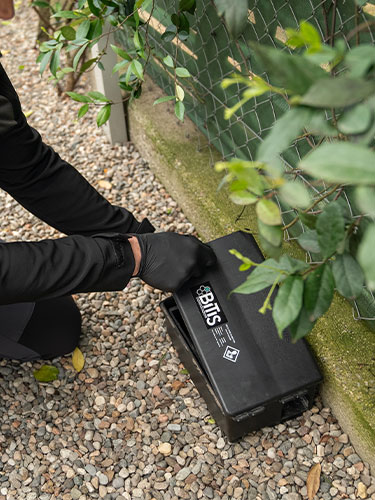
Ongoing pest control is a preventive approach based on scheduled monitoring and targeted actions over time. The objective is not only to eliminate pests but also to prevent the problem from recurring.
This method is particularly suitable when:
- the environment is constantly exposed to risks;
- recurring infestations have already occurred;
- the activity is subject to hygiene or regulatory requirements;
- a structured and documented management approach is required.
Main differences between ongoing control and one-time intervention
The two solutions address different needs:
- a one-time intervention is reactive and solves a specific problem;
- ongoing control is preventive and reduces risk over the long term;
- the first deals with the emergency, the second addresses the causes;
- ongoing control allows more stable planning and management.
Choosing the right solution depends on the specific context and objectives.
When ongoing pest control is recommended
Ongoing pest control is strongly recommended for:
- restaurants, bars and canteens;
- hotels and hospitality facilities;
- food companies;
- warehouses and logistics centres;
- offices and public-access spaces;
- public institutions and healthcare facilities.
In these contexts, prevention is essential to ensure safety, regulatory compliance and operational continuity.
The role of prevention in choosing the right approach
Prevention plays a key role when deciding between a one-time intervention and ongoing control. In low-risk environments, a targeted intervention may be sufficient. In more complex or sensitive contexts, ongoing control represents the most effective and sustainable solution over time.
BITIS approach to pest management
BITIS disinfestazioni SA supports private clients and businesses in Ticino in choosing the most appropriate approach by evaluating each situation individually. Depending on the context, BITIS proposes targeted interventions or structured monitoring and ongoing pest control programmes combined with preventive measures.