The oriental cockroach often feeds on garbage, sewage, or decomposing organic matter and eats almost anything, although it prefers a starch-rich diet.
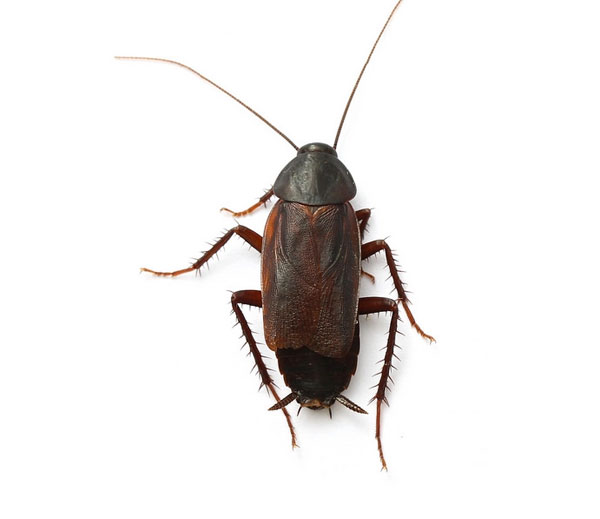
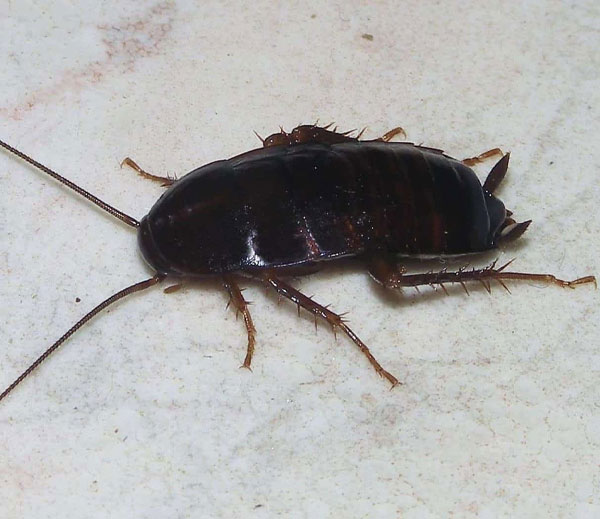
Oriental cockroaches (Blatta orientalis) are commonly referred to as “black beetles” or cockroaches. This insect is shiny black and measures approximately 3 cm in length. Although it has wings, neither males nor females are capable of flying. Females have small, non-functional wings, while males have wings that cover about three-quarters of the abdomen. Adults are dark brown to black in color.
Reproduction of the oriental cockroach
A female oriental cockroach produces an average of eight egg capsules during her lifetime. Each egg capsule, or ootheca, contains about 16 eggs arranged vertically in pairs. The egg case may be carried for 12 hours up to five days and is then deposited in a warm, sheltered environment where food is readily available.
The incubation period ranges from 42 to 81 days. The female does not care for the offspring. Nymphs undergo seven molts before reaching adulthood, a process that takes about one year. Adult Blatta orientalis can live between 34 and 180 days, and mating can occur in any season.
Habitat: where they are found
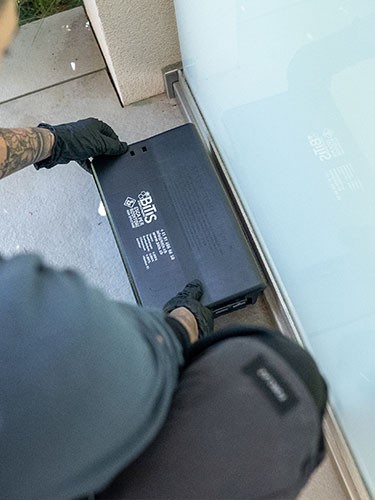
Oriental cockroaches live in damp environments such as basements and around floor drains that drain directly outdoors, as they are closely associated with water. These drains often serve as entry points into buildings in search of food.
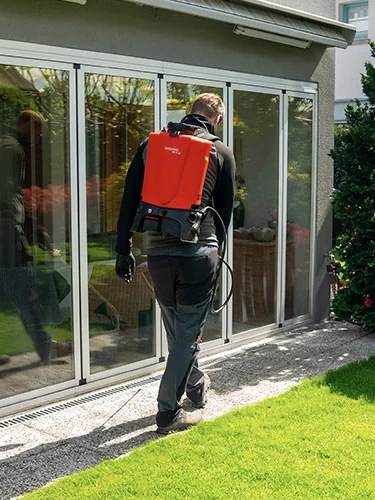
Outdoors, they live near foundations, crawl spaces, courtyards, and retaining walls, feeding on waste and decomposing organic matter. During dry periods, they may move indoors, although they are generally found outdoors during warmer months. They may also enter buildings when temperatures drop unexpectedly.